

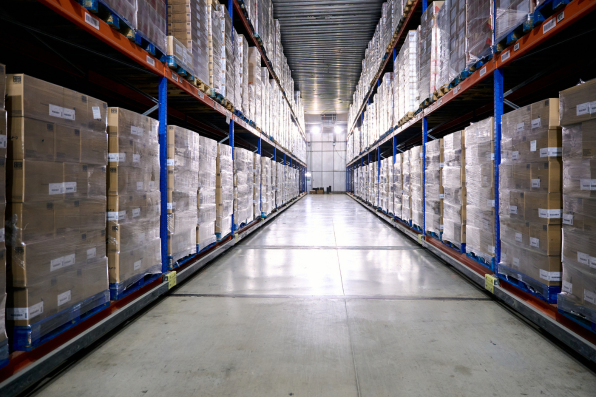
A temperature-sensitive shipment does not cease to be temperature-sensitive when the aircraft lands. In many ways, arrival begins one of the most important parts of the journey. For freight forwarders and customs brokers, temperature-sensitive cargo may need to move through airline recovery, transfer, breakdown, Customs or Partner Government Agency review, staging, release, and final pickup. …
 by Global CFS
For many importers, detention and demurrage charges appear without foreknowledge, even though ancillary charges rarely occur overnight. They usually begin accumulating long before anyone notices them. A shipment arrives. Customs clearance is underway. Transportation is being arranged. Then, days or weeks later, an unexpected invoice arrives with fees that can quickly add hundreds—or even thousands—of …
by Global CFS 
For years, peak season and Q4 planning followed a familiar playbook. Book transportation early. Build inventory buffers. Secure warehouse space before capacity tightens. But 2026 is not a typical year. Many importers have already accelerated shipments, adjusted sourcing strategies, and frontloaded inventory in response to ongoing tariff uncertainty and changing trade policies. As a result, …
by Global CFS 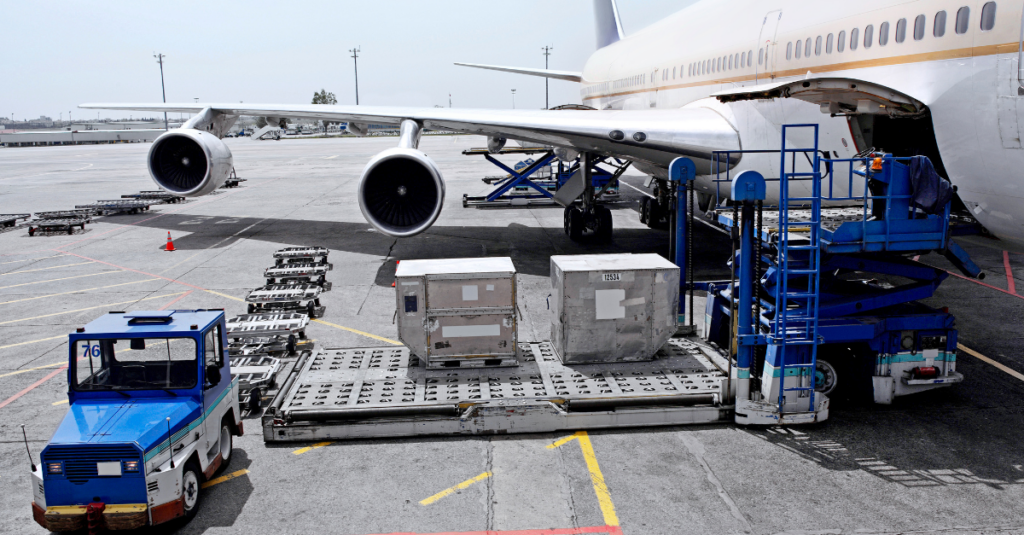
For international air cargo entering the United States, the journey does not really begin when the aircraft takes off. It begins when the aircraft lands. That first U.S. airport where imported cargo physically arrives is known as the First Point of Arrival (FPOA), and it plays a critical role in determining how quickly freight moves …
by Global CFS 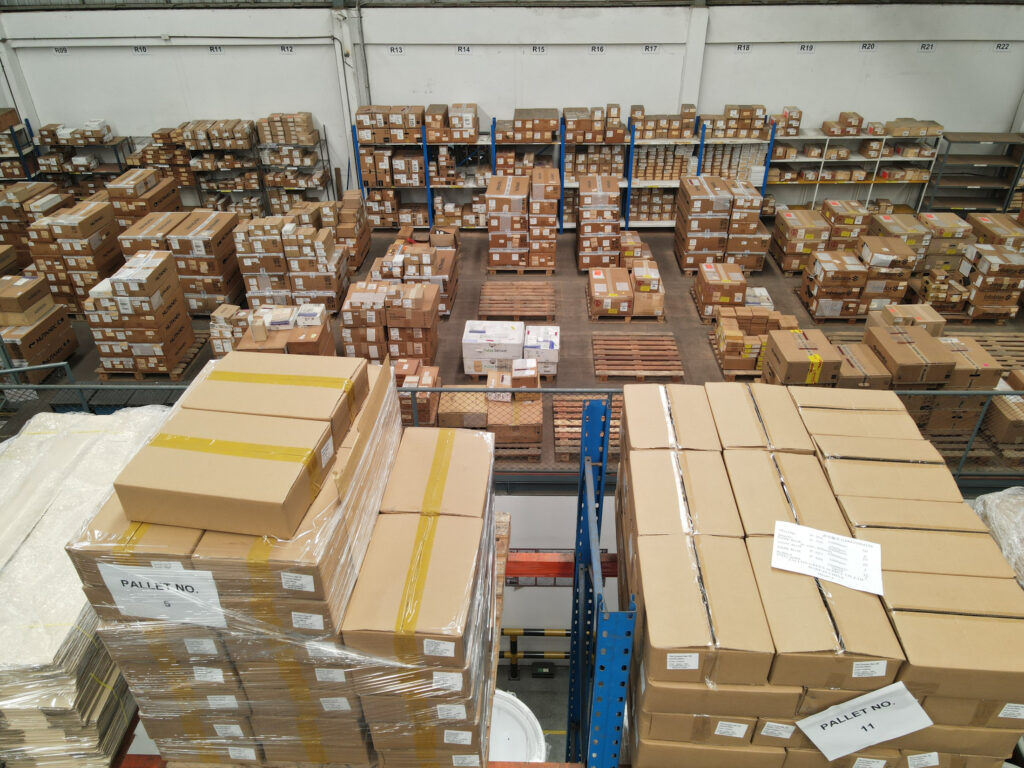
For many importers and freight forwarders, the Container Freight Station—CFS services in general—is one of the least visible parts of the supply chain. Cargo arrives. Cargo leaves. Somewhere in the middle, freight is unloaded, sorted, examined, staged, documented, and released. But operationally, the CFS is one of the most important control points in international logistics. …
by Global CFS 
The FBI Is Warning About Cargo Theft: Here’s What Importers Need to Know Cargo theft is no longer just a trucking problem. According to recent FBI and industry warnings, organized cargo theft activity is becoming more sophisticated, more targeted, and more difficult to detect. Criminal groups are increasingly using identity fraud, fictitious pickups, double brokering …
by Global CFS 
Tariffs are shifting again—and for importers, the challenge isn’t just cost. Using CFS and FTZ options can help mitigate disruptions caused by tariffs and fuel changes. It’s timing. When duty exposure changes, the question becomes:Do you take the hit now, or create options for later? That’s where CFS and FTZ services are becoming more important. …
by Global CFS 
Recent tensions in the Middle East have once again drawn global attention to the Strait of Hormuz, one of the world’s most strategically important waterways. For logistics teams and supply chain planners, this narrow passage is more than a geopolitical headline—it’s a key artery for global trade. Located between Iran and Oman, the Strait of …
by Global CFS 
On February 20, 2026, the U.S. Supreme Court issued a 6–3 decision that effectively ended the use of emergency powers to impose global tariffs under the International Emergency Economic Powers Act (IEEPA). “This decision is more than legal precedent—it’s a practical inflection point for importers, customs brokers, and logistics partners across the country. And for …
by Global CFS 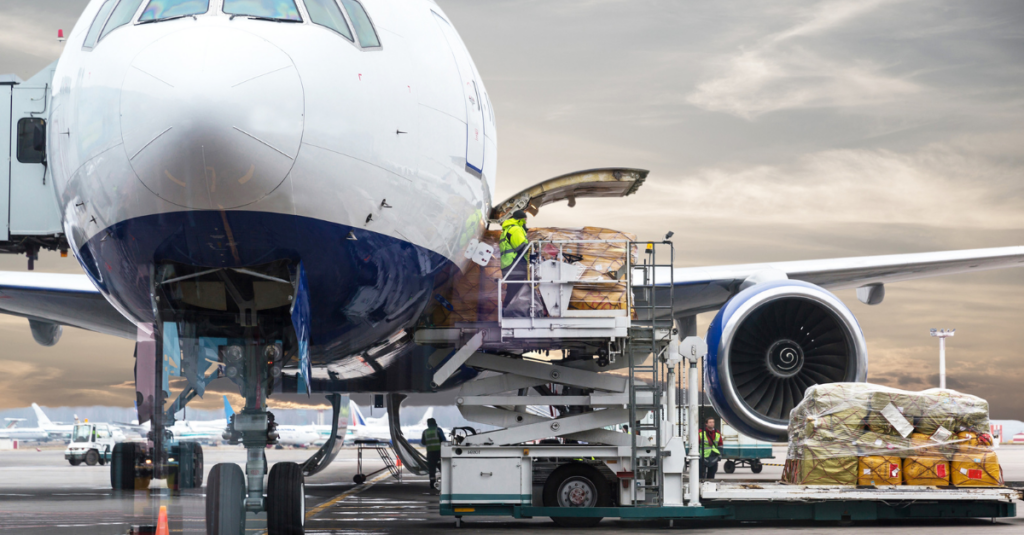
In logistics, speed isn’t just about moving fast—it’s about moving smart. Cargo throughput is the measure of how efficiently goods move from arrival to delivery, and every handoff is an opportunity to gain time, reduce risk, and improve visibility. At Global CFS, we optimize throughput at every stage—starting where most others don’t: planeside. From direct …
by Global CFS Input your search keywords and press Enter.