

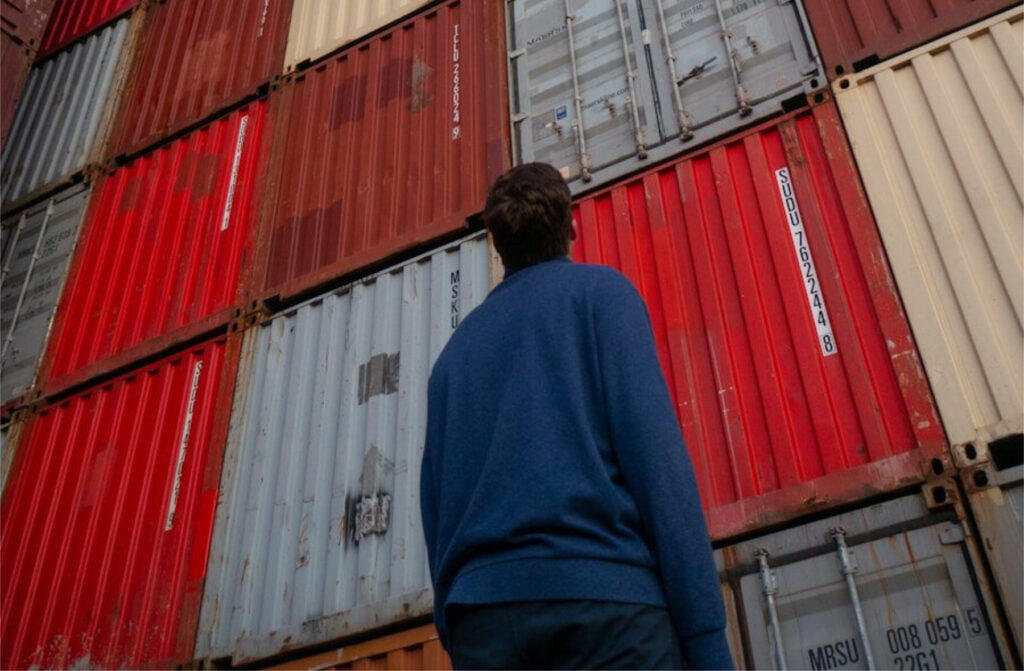
A CBP hold can turn an ordinary shipment into an urgent question almost instantly: Where is the freight, what happens to it now, and when can it move again? For customs brokers and freight forwarders, those questions usually arrive from the customer shortly after the hold does. The first thing to understand is that a …
 by Global CFS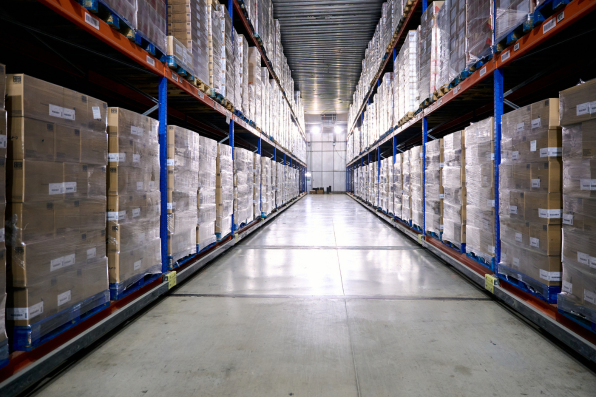
A temperature-sensitive shipment does not cease to be temperature-sensitive when the aircraft lands. In many ways, arrival begins one of the most important parts of the journey. For freight forwarders and customs brokers, temperature-sensitive cargo may need to move through airline recovery, transfer, breakdown, Customs or Partner Government Agency review, staging, release, and final pickup. …
by Global CFS 
For many importers, detention and demurrage charges appear without foreknowledge, even though ancillary charges rarely occur overnight. They usually begin accumulating long before anyone notices them. A shipment arrives. Customs clearance is underway. Transportation is being arranged. Then, days or weeks later, an unexpected invoice arrives with fees that can quickly add hundreds—or even thousands—of …
by Global CFS 
For years, peak season and Q4 planning followed a familiar playbook. Book transportation early. Build inventory buffers. Secure warehouse space before capacity tightens. But 2026 is not a typical year. Many importers have already accelerated shipments, adjusted sourcing strategies, and frontloaded inventory in response to ongoing tariff uncertainty and changing trade policies. As a result, …
by Global CFS 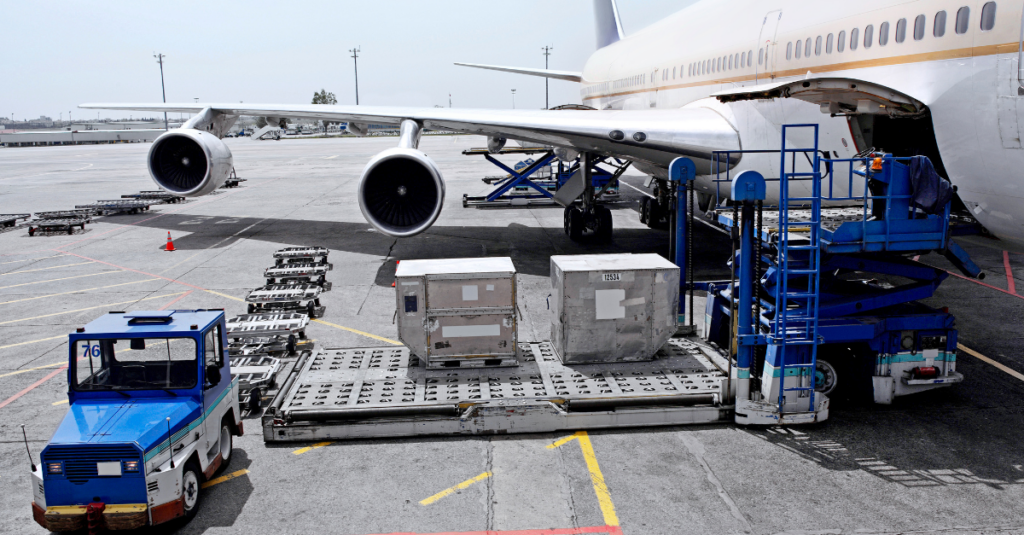
For international air cargo entering the United States, the journey does not really begin when the aircraft takes off. It begins when the aircraft lands. That first U.S. airport where imported cargo physically arrives is known as the First Point of Arrival (FPOA), and it plays a critical role in determining how quickly freight moves …
by Global CFS 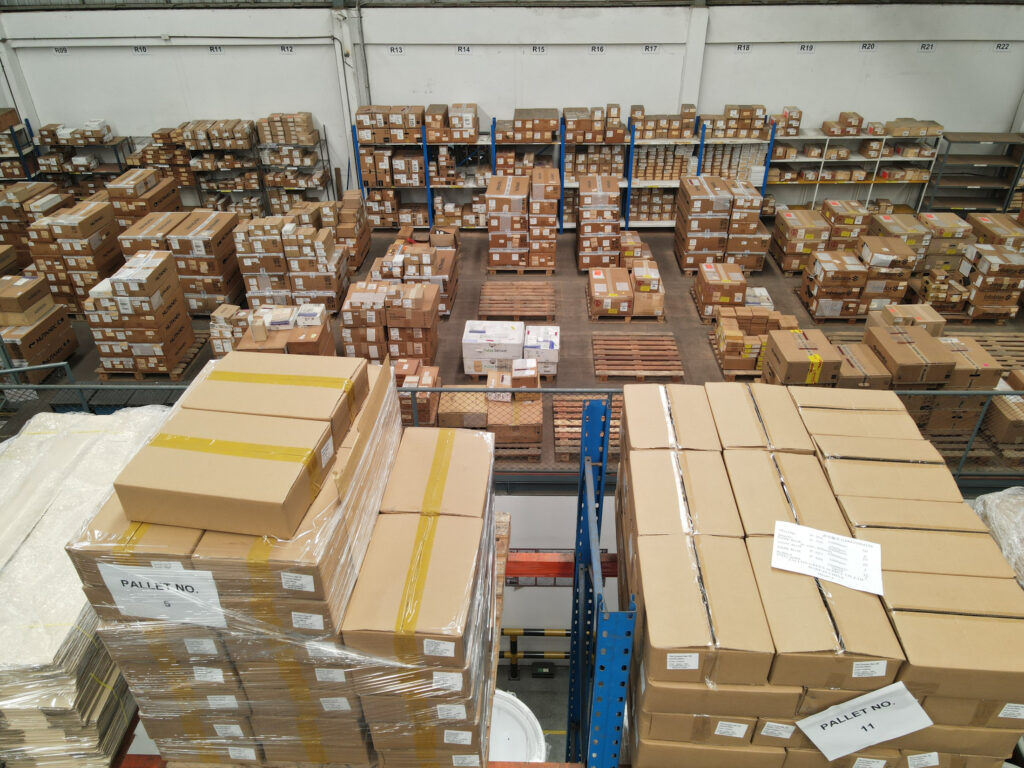
For many importers and freight forwarders, the Container Freight Station—CFS services in general—is one of the least visible parts of the supply chain. Cargo arrives. Cargo leaves. Somewhere in the middle, freight is unloaded, sorted, examined, staged, documented, and released. But operationally, the CFS is one of the most important control points in international logistics. …
by Global CFS 
The recent tariff case before the Supreme Court of the United States (SCOTUS) could significantly reshape global logistics—especially for a full-service provider like Global CFS, which offers container freight stations (CFS), trucking, and line-haul services between key air cargo gateways, as well as airport recovery operations at Chicago O’Hare. Plugged into 24/7/365 operations, we manage …
by Global CFS 
Container Freight Stations (CFS) have evolved into critical hubs for modern logistics, streamlining cargo handling and improving efficiency in global trade. Positioned near major seaports and airports, these facilities facilitate the seamless movement of goods between different transportation modes while optimizing storage, inspection, and customs clearance processes. As global supply chains become more complex, the …
by Global CFS Input your search keywords and press Enter.